

Materials guide
Bronze, Stainless Steel or Corten?
How the three main outdoor sculpture materials look, weather and age, where each works best, and how to look after them.
Enquiries
At a glance
Bronze
Cast metal that darkens and patinates over time. Suits figurative, animal and traditional settings. Care: wash and wax once or twice a year to hold the colour.
Corten steel
Weathering steel that forms a stable rust-brown layer. Suits gardens, planting and natural stone. Care: none once weathered; watch run-off on pale surfaces early on.
Stainless steel
Bright, reflective and corrosion-resistant. Marine-grade 316 suits coastal and pool settings. Care: rinse with fresh water now and then, more often near the sea.
Bronze
Bronze sculpture is usually cast using the lost-wax process, then finished with a chemical patina that gives it colour, from deep brown and black to green and gold. Outdoors the surface keeps developing: it can darken, and in coastal or very wet places it can turn green as verdigris forms.
A regular wash and a coat of wax once or twice a year slows that change and keeps the colour even. If a bronze has weathered unevenly, it can be cleaned and re-patinated. Bronze is heavy and durable, which makes it a good choice for exposed and public sites, and many bronzes are made in limited editions.
Corten (weathering) steel
Corten is a weathering steel. Once outside it forms a dense, adherent rust layer that slows further corrosion, so it does not need painting. The surface usually takes several months to a year or more to settle into an even rust-brown, depending on rain and sun.
While that layer forms, rain can wash rust-coloured run-off onto whatever is below, so keep new Corten off pale paving, render and pool coping, or set it on a plinth or gravel bed with drainage. Corten performs best where it can dry between wettings; avoid places where water pools against it, and keep it out of constant salt spray. See our Corten steel sculpture.
Stainless steel
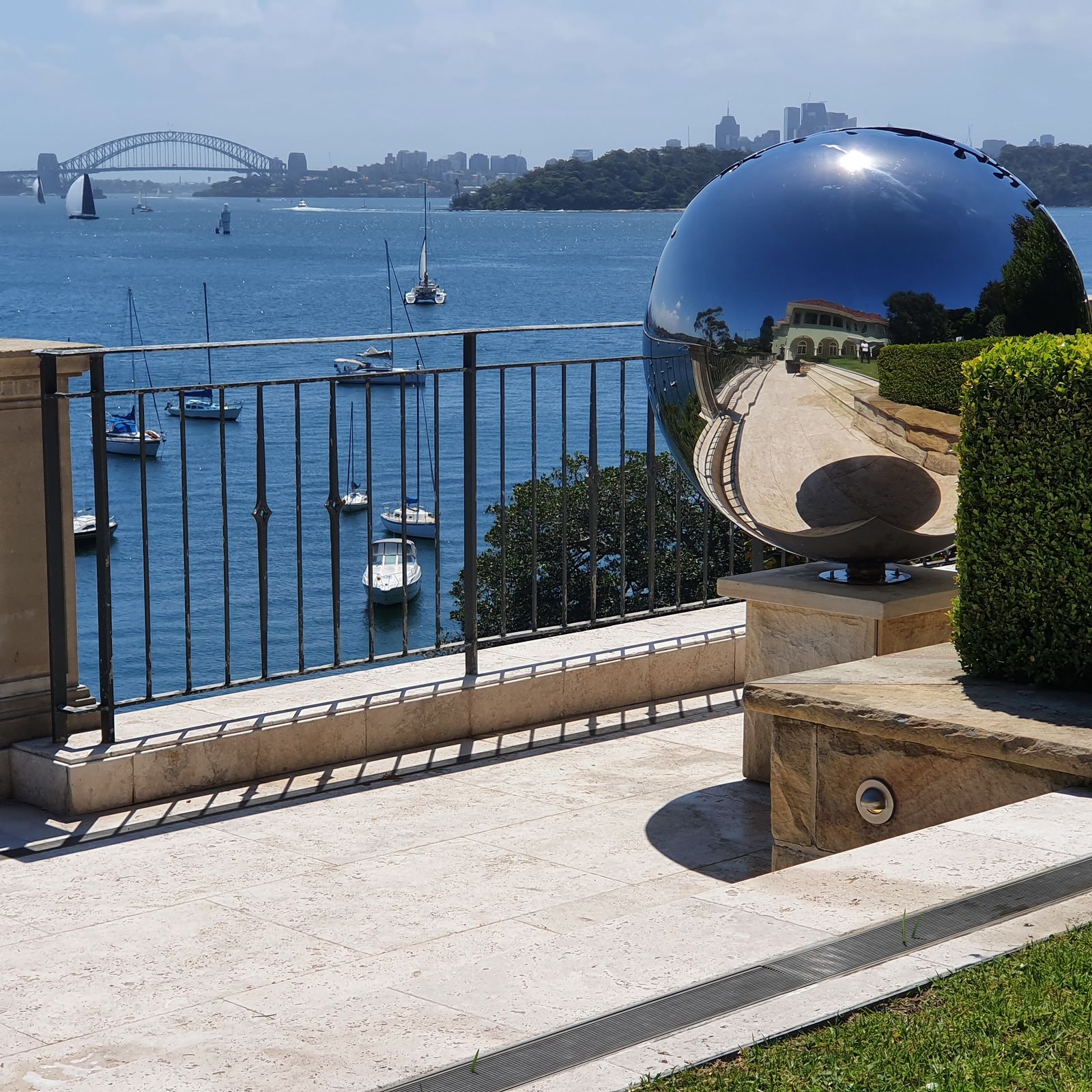
Stainless steel resists corrosion because of the chromium in the alloy. For outdoor sculpture, especially near the sea or a pool, marine-grade 316 is the standard choice; it contains molybdenum, which improves resistance to salt and chlorides. Finishes range from mirror polish, which reflects sky and water, to brushed and bead-blasted surfaces that soften glare.
In coastal air, a light brown film called tea staining can appear on any stainless steel if salt is left on the surface. Rinsing with fresh water every few months, more often in exposed spots, keeps it bright. Highly polished works can concentrate sunlight, so think about where reflections will fall. See our stainless steel sculpture.
Other outdoor materials
Stone weathers slowly and suits classical and minimal forms. Timber brings warmth but needs more care outdoors and suits covered or sheltered spots. Fabricated steel with a powder-coated finish adds colour; the coating may need touching up over the years. Copper weathers from bright metal to brown and green. Glass and resin works are generally best kept under cover.
Whatever the material, a good footing and drainage matter more than anything for long life outdoors. We can advise on plinths and footings for the site.
Works in bronze, Corten and stainless steel
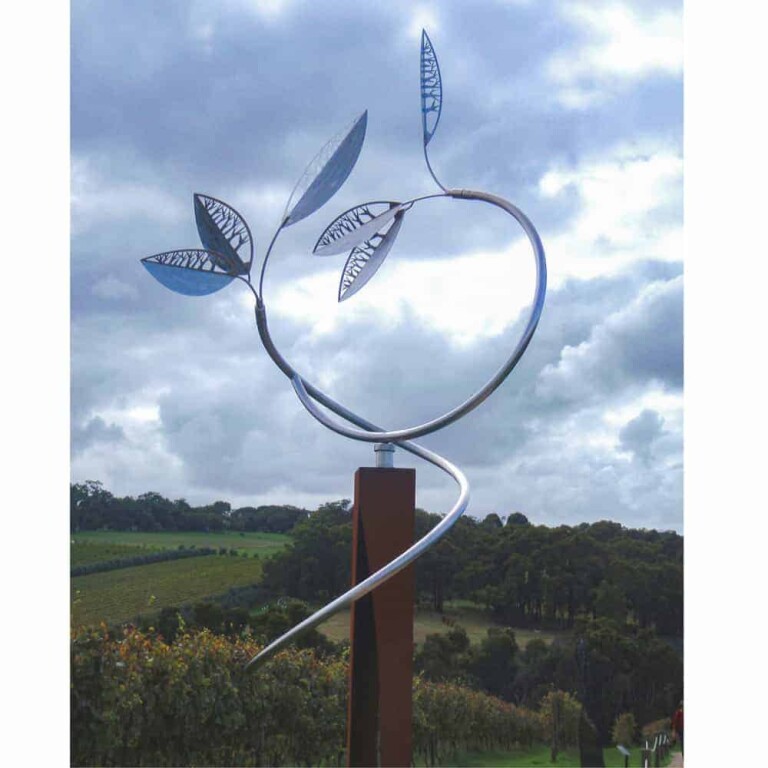
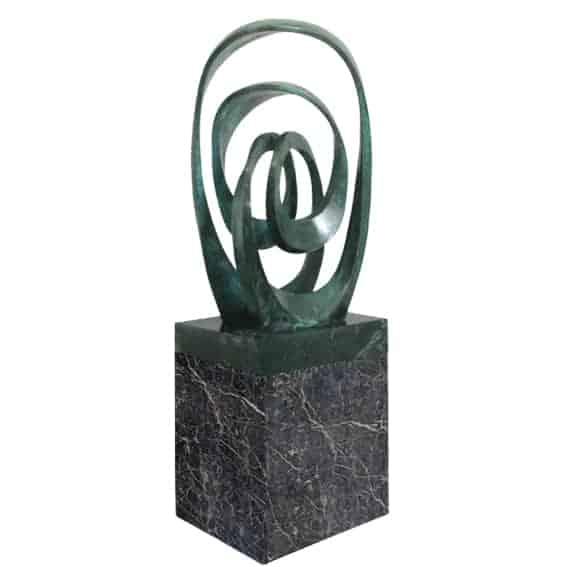
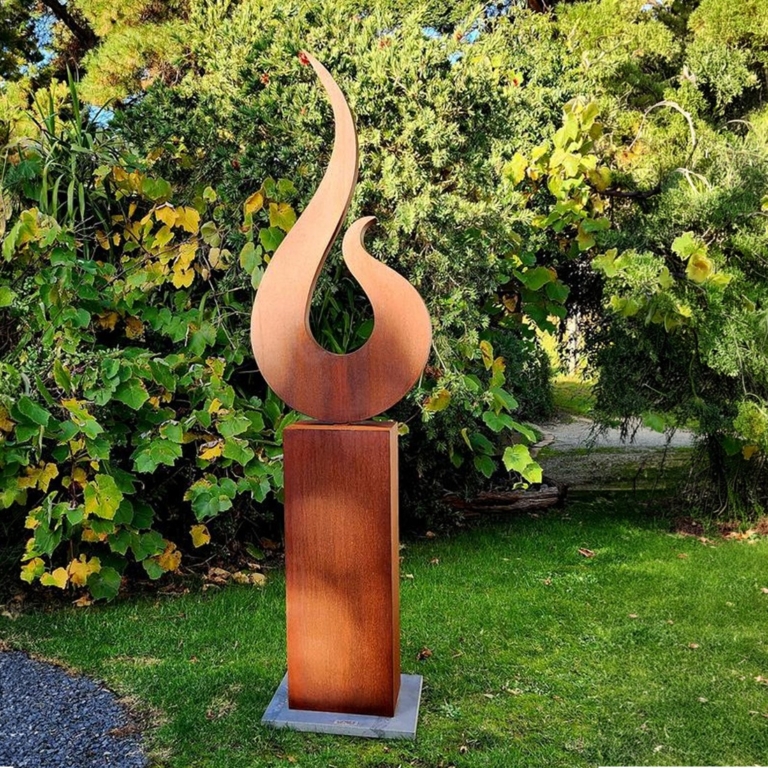
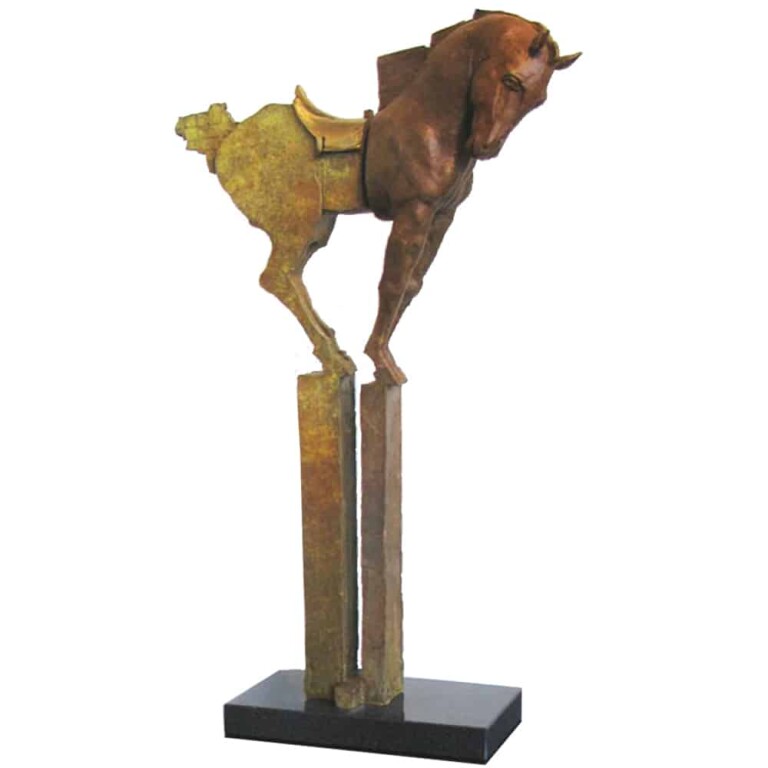
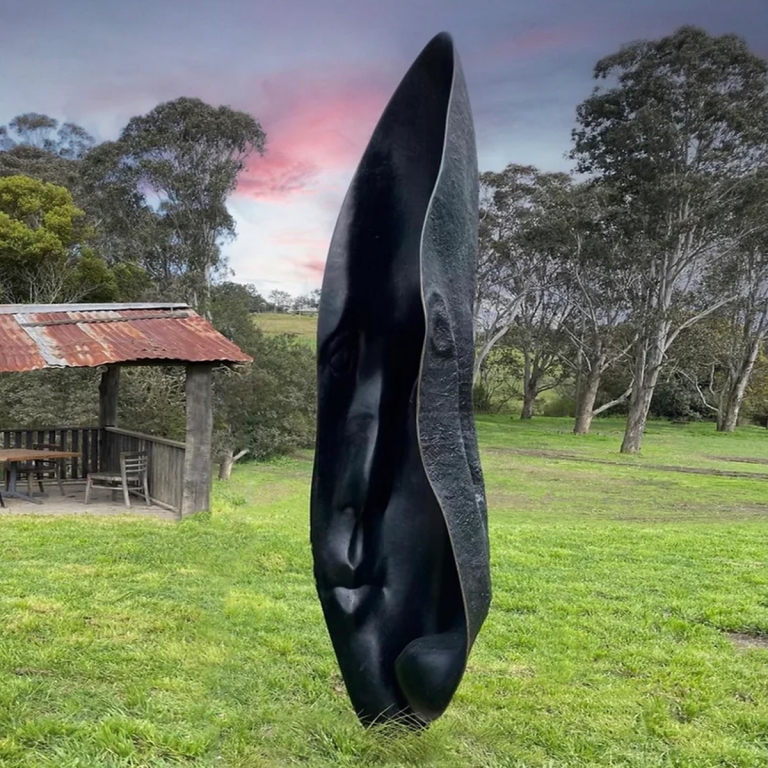
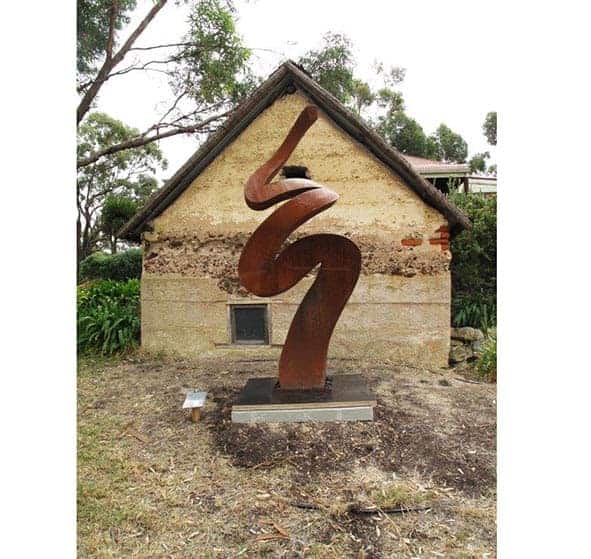
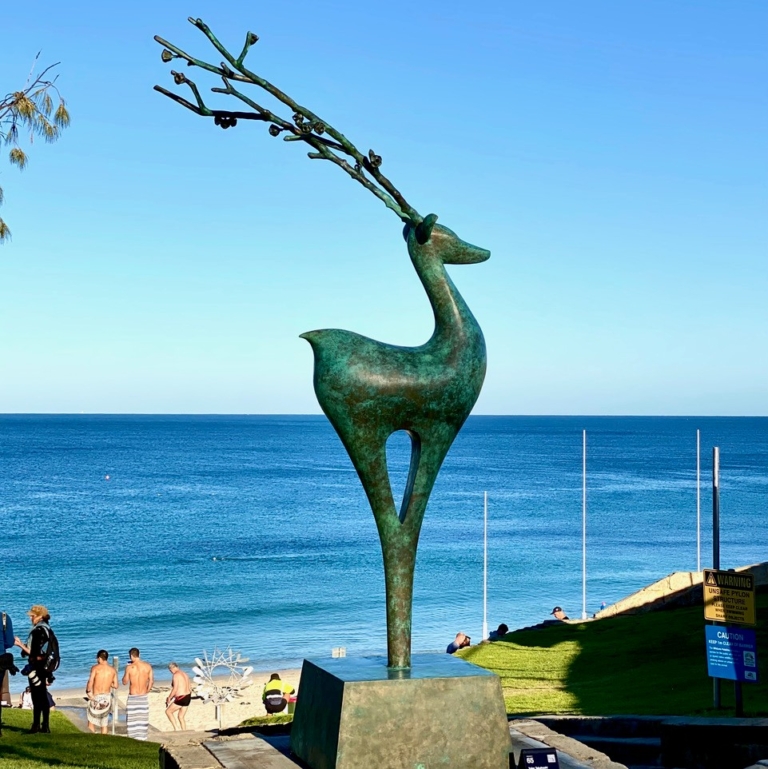
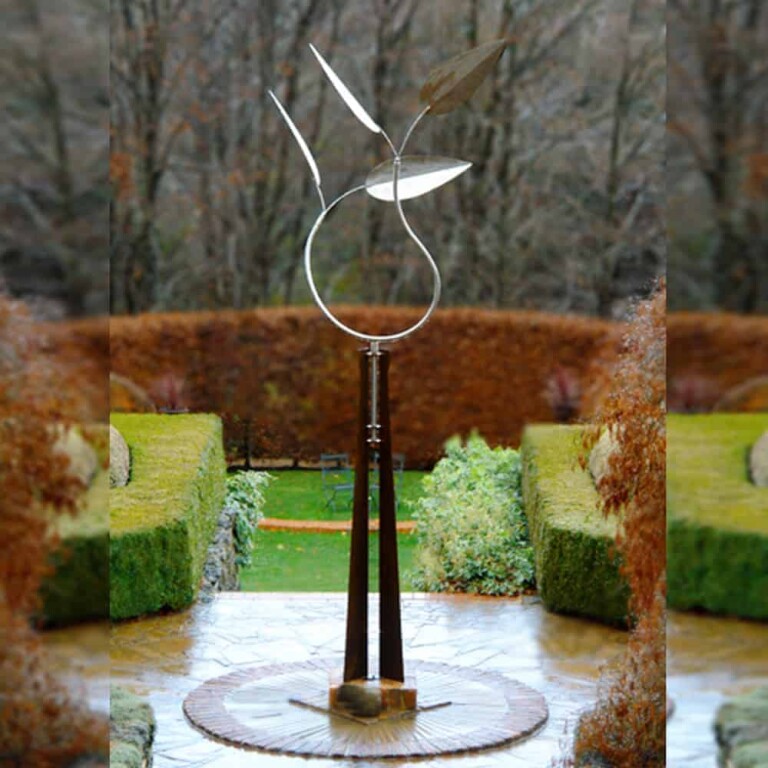
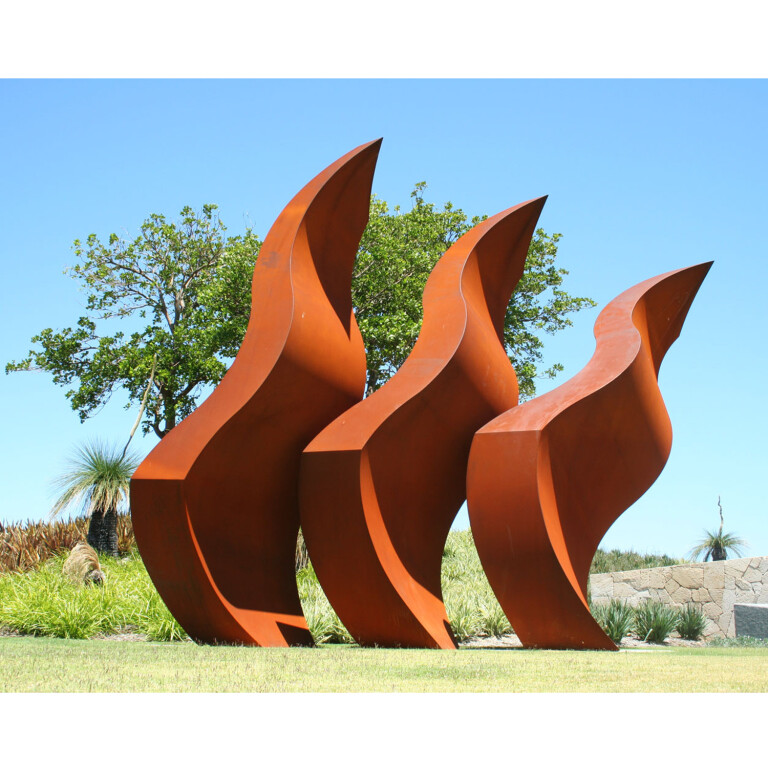
Bronze sculptureCorten steel sculptureStainless steel sculpture
Questions
Will Corten steel stain my paving?
It can while its rust layer forms, usually over the first months outdoors. Keep it off pale surfaces, or use a plinth or gravel bed with drainage.
Is bronze or stainless steel better near the sea?
Both work. Marine-grade 316 stainless steel resists salt well with occasional rinsing; bronze will patinate and may turn green, which many people like and which waxing slows.
Does bronze turn green outdoors?
It can, especially in coastal or wet places, as verdigris forms. Washing and waxing once or twice a year helps keep the original colour.
Does stainless steel rust?
Marine-grade stainless steel does not rust in normal outdoor use, but salt left on the surface can cause light tea staining that rinses or polishes off.
Can weathered sculpture be restored?
Yes. Bronze can be cleaned and re-patinated, steel can be blasted and refinished, and coatings can be renewed. See our restoration and maintenance service.
Delivered and installed across Australia
Need a base or footing? See sculpture plinths and bases. Want a work in another size or finish? Commission a sculpture.